
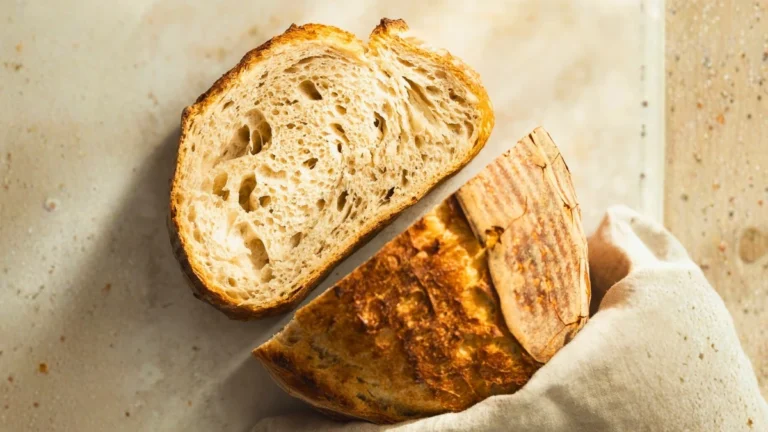

There’s something magical about baking your own sourdough bread, especially when you’re following a Paul Hollywood sourdough recipe. This legendary baker has perfected the art of creating crusty, tangy loaves with that signature open crumb structure.
If you’ve been searching for an authentic Paul Hollywood sourdough bread recipe, you’ve found it. This copycat Paul Hollywood sourdough bread recipe delivers bakery-quality results right in your home kitchen, using simple ingredients and the Paul Hollywood sourdough bread starter recipe technique.
Whether you’re a beginner or experienced baker, this sourdough recipe Paul Hollywood style will transform your bread-baking game forever.
What Does Paul Hollywood Sourdough Bread Taste Like?
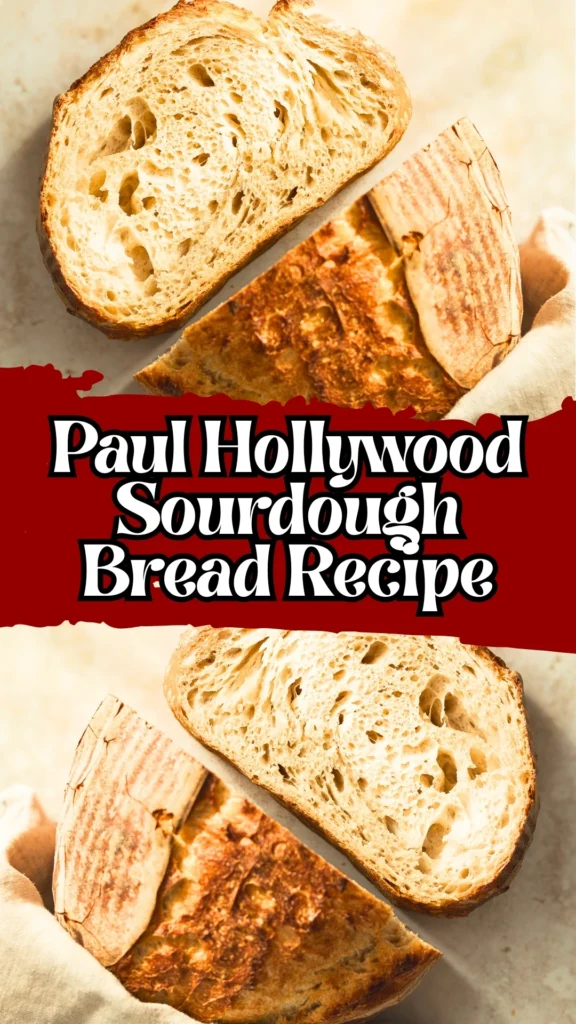
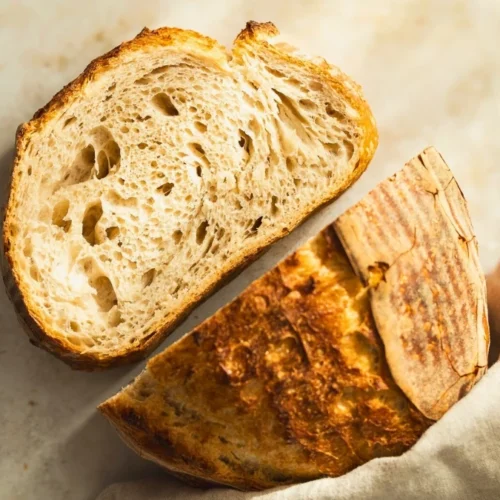
This Paul Hollywood sourdough bread delivers an incredible sensory experience. The crust crackles audibly when you slice through it, revealing a chewy, open-textured crumb with irregular holes.
The flavor is beautifully complex-mildly tangy with subtle fermented notes that aren’t overpowering. There’s a pleasant wheaty sweetness from the strong white flour, balanced by the natural acidity from the sourdough starter.
The texture is tender yet substantial, with that perfect chew that makes every bite satisfying. When toasted, it develops nutty, caramelized notes that elevate any topping.
Paul Hollywood Sourdough Bread Recipe Ingredients You’ll Need
For the Dough:
- 100g active sourdough starter (bubbly and at peak activity)
- 375ml tepid water (divided: 350ml + 25ml)
- 500g strong white bread flour
- 12g salt (about 2 teaspoons)
Kitchen Utensils:
- Large mixing bowl
- Balloon whisk
- Dough scraper (or spatula)
- Clean tea towel (or proving basket/banneton)
- Cling film (plastic wrap)
- Baking sheet
- Roasting tin (for creating steam)
- Wire cooling rack
- Sharp knife or bread lame (for scoring)
Preparation and Cooking Time
Hands-on Time: 20 minutes (active work)
Resting & Rising Time: 6-8 hours (or overnight options available)
Oven Time: 25-30 minutes
Total Time: Approximately 7-9 hours
Yield: 1 large artisan loaf (serves 8-10)
Step-by-Step Paul Hollywood Sourdough Bread Recipe Instructions
Step 1: Create the Initial Dough
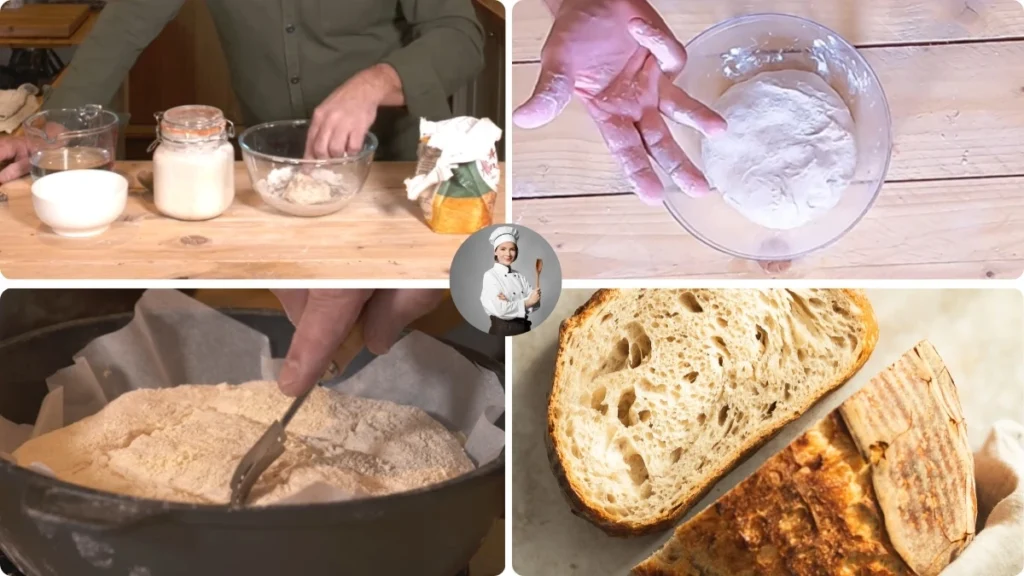
Place your 100g sourdough starter in a large mixing bowl. Add 350ml tepid water and whisk thoroughly with a balloon whisk until well combined and slightly frothy. Add all 500g of strong white bread flour at once. Mix quickly using your hands or a wooden spoon to form a scrappy, shaggy dough.
The dough will look rough and uneven-that’s perfectly fine. If it seems too stiff or dry, add a tablespoon of water at a time. Ensure no dry flour patches remain. Cover and rest for 30 minutes. This autolyse period allows the flour to fully hydrate, making kneading much easier.
Step 2: Incorporate the Salt
Dissolve the 12g salt in the remaining 25ml tepid water. Pour this salt solution over your rested dough. Now begins the folding technique: grab one edge of the dough and fold it into the center. Rotate the bowl 90 degrees and repeat. Continue this folding motion, turning the bowl as you go, for about 30 seconds until the salt water is fully incorporated. The dough will feel slippery at first. Rest the dough for 10 minutes.
Step 3: The Folding Process
This is where the Paul Hollywood sourdough recipe technique really shines. Perform another series of folds-grab the edge, fold to center, rotate bowl, repeat for 30 seconds. If the dough sticks to your hands, dampen them with water. Rest for 10 minutes. Repeat this folding and resting cycle 8 times total. Yes, it seems repetitive, but each 30-second folding session builds gluten structure without traditional kneading. After the final fold, you’ll notice the dough has transformed-it’s smoother, more elastic, and holds its shape beautifully.
Step 4: Bulk Fermentation
Lightly oil a piece of cling film and cover your bowl. Leave the dough to rise at room temperature until doubled in size-approximately 2 hours in a warm kitchen (21-24°C/70-75°F). Alternatively, you can refrigerate it overnight for a slower fermentation that develops deeper flavor. The dough should look puffy and airy when ready.
Step 5: Pre-Shape the Dough
Lightly flour your work surface. Using a dough scraper or your hands, gently turn the risen dough out onto the counter. Handle it delicately to preserve the air bubbles. Shape it into a rough rectangle. Fold the top third down to the middle, then fold the bottom third up over it (like folding a business letter). Next, fold the left side to the center, then fold the right side over it. Flip the loaf so all folds are underneath. Cover lightly with oiled cling film and rest for 20 minutes.
Step 6: Final Shaping
Turn your dough smooth-side down onto a lightly floured surface. Repeat the exact same folding process: top to middle, bottom over it, left to center, right over it. Flip the dough so the smooth surface is on top and the seams are underneath. This creates surface tension that helps the loaf rise upward rather than spreading outward.
Step 7: Final Proof
Generously flour a clean tea towel and line a bowl with it (or use a well-floured proving basket/banneton). Place your shaped dough into the bowl smooth-side DOWN (seams facing up). Cover with oiled cling film. Leave to prove until doubled in size-when you gently press a finger into the edge, the indentation should remain. This typically takes 3-4 hours at room temperature or can be done overnight in the refrigerator for enhanced flavor.
Step 8: Prepare for Baking
Thirty minutes before baking, preheat your oven to 225°C/205°C fan/gas mark 7½ (437°F). Place an empty roasting tin on the bottom rack of the oven-this will create crucial steam. Lightly flour a baking sheet and set it aside.
Step 9: Score and Bake
When your dough has completed its final proof, carefully pour 500ml boiling water into the hot roasting tin in the oven (stand back from the steam!). Remove the cling film from your proved dough. Place the floured baking sheet over the bowl and confidently flip it over so the dough lands smooth-side UP on the sheet. Immediately score a decorative pattern on top using a very sharp knife or bread lame-classic options include a single slash, cross pattern, or wheat stalk design. Work quickly and decisively.
Step 10: Bake to Perfection
Carefully open the oven door, minding the steam. Slide the baking sheet onto the upper-middle shelf. Close the door quickly to trap the steam. Bake for 25-30 minutes total. After 15 minutes, rotate the bread 180 degrees for even browning. The finished loaf should be deeply golden-brown with a crackling crust. Tap the bottom-it should sound hollow. If it needs more time, reduce heat to 180°C/160°C fan/gas 4 and bake for 5-10 minutes more.
Step 11: Cool Completely
Transfer your beautiful Paul Hollywood sourdough bread to a wire cooling rack immediately. Resist the temptation to slice it! Allow it to cool completely for at least 1 hour. This cooling period allows the interior crumb structure to set properly and prevents a gummy texture.
Customization and Pairing Ideas for Serving
1. Rustic Seeds and Grains Variation
Transform your Paul Hollywood sourdough recipe by adding 50g mixed seeds (sunflower, pumpkin, sesame, flax) to the dough after the salt incorporation. You can also substitute 100g of the white flour with whole wheat or rye flour for added nutrition and nutty flavor. Brush the shaped loaf with water and roll in additional seeds before the final proof for a beautiful, textured crust.
2. Classic French Toast Elevation
Day-old sourdough makes extraordinary French toast. The sturdy texture holds up perfectly to egg custard without becoming soggy. Serve with maple syrup, fresh berries, and a dusting of powdered sugar for an unforgettable breakfast that showcases your homemade bread.
3. Artisan Bruschetta Board
Slice your cooled loaf into 1cm thick pieces, brush with olive oil, and toast until golden. Top with classic combinations: diced tomatoes with basil and balsamic, whipped ricotta with honey and thyme, or smashed avocado with everything bagel seasoning. The tangy sourdough base complements both savory and sweet toppings beautifully.
4. Gourmet Grilled Cheese
The sourdough recipe Paul Hollywood style creates the ultimate grilled cheese vehicle. The sturdy crust gets perfectly crispy while the interior stays tender. Layer with aged cheddar, gruyere, and a smear of Dijon mustard. Cook low and slow in butter for that restaurant-quality golden crust.
5. Soup’s Perfect Companion
There’s nothing more comforting than tearing into a warm slice of this bread alongside tomato soup, French onion soup, or creamy mushroom bisque. The crusty exterior is perfect for dunking, while the chewy interior soaks up flavors without disintegrating.
6. Build-Your-Own Sandwich Bar
This artisan loaf elevates any sandwich from ordinary to extraordinary. The substantial structure holds up to juicy fillings without getting soggy. Try it with roasted vegetables and hummus, turkey and cranberry sauce, or a classic BLT with extra-thick bacon.

7. Garlic Bread Transformation
Slice the loaf horizontally, slather with roasted garlic butter mixed with fresh parsley and parmesan, then toast under the broiler. The sourdough’s tanginess balances the rich garlic butter perfectly, creating an irresistible side dish for pasta night.
Essential Tips for Paul Hollywood Sourdough Success
1. Starter Strength is Everything
Your sourdough starter must be at peak activity-bubbly, doubled in size, and passing the float test (a small spoonful floats in water). Feed your starter 4-8 hours before beginning this recipe. If your starter is sluggish or hasn’t been fed recently, your bread won’t rise properly. Room temperature matters too; starters are most active between 21-24°C (70-75°F). A weak starter is the number one reason for dense, flat sourdough.
2. Water Temperature Precision
“Tepid water” means approximately 30-35°C (86-95°F)-slightly warmer than body temperature. Water that’s too hot will kill the beneficial bacteria in your starter, while cold water slows fermentation dramatically. Use a thermometer if you’re uncertain, or mix boiling water with cold until it feels just slightly warm to the touch. This detail significantly impacts your fermentation timeline.
3. Master the Fold, Don’t Knead
Unlike traditional bread recipes, this copycat Paul Hollywood sourdough bread recipe relies entirely on folding rather than kneading. Each 30-second folding session develops gluten strands without overworking the dough. Keep your hands wet if the dough is sticky-this prevents sticking while maintaining proper hydration. The repetitive folding creates those beautiful air pockets and chewy texture. Don’t skip folds or rush through them.
4. Environmental Awareness
Sourdough is a living dough that responds to your kitchen environment. In warm weather (above 24°C/75°F), fermentation happens faster-check your dough 30 minutes earlier than suggested. In cold conditions, it may need extra time or a warmer spot (near a radiator or inside an oven with just the light on). Learn to read the dough, not just the clock. It should look puffy, jiggly, and doubled-that’s your signal to proceed.
5. Steam Creates the Perfect Crust
The roasting tin technique is crucial for achieving that signature crackling crust. Steam keeps the outer surface of the dough moist during the initial baking phase, allowing maximum oven spring (the rapid rise in the first 10-15 minutes). Without steam, you’ll get a tough, thick crust that restricts rise. Some bakers add ice cubes instead of boiling water for gradual steam release. Never skip this step.
6. Scoring Technique Matters
Use a very sharp blade-a dull knife tears the dough rather than cleanly slicing it. Hold your blade at a 30-45 degree angle and make swift, confident cuts about 1cm deep. Scoring controls where the bread expands in the oven. Without it, random weak spots will burst. Practice your scoring pattern on paper first if you’re nervous. The classic single slash down the center is foolproof and creates a beautiful “ear” (the raised crust along the cut).
7. Patience During Cooling
This is the hardest tip to follow! When you cut into bread that’s still warm, you’re essentially stopping the baking process prematurely. The interior steam redistributes during cooling, finalizing the crumb structure. Cutting too early results in a gummy, dense texture and the bread will go stale faster. Set a timer for 60 minutes after removing from the oven and resist temptation. Your patience will be rewarded with perfect texture and easier slicing.
Storage and Reheating Guidance
Store your Paul Hollywood sourdough bread at room temperature in a paper bag or bread box for up to 3 days-avoid plastic bags which make the crust soft. For longer storage, slice and freeze for up to 3 months in an airtight container. Refresh day-old bread by sprinkling with water and warming in a 180°C oven for 5-10 minutes to restore the crust’s crackle.
Common Queries and FAQs
Q: Can I make this Paul Hollywood sourdough recipe without an active starter?
A: Unfortunately, no. The sourdough starter is the leavening agent that makes this bread rise-there’s no commercial yeast in this recipe. You’ll need to create or obtain an active, healthy starter first. Building a starter from scratch takes 5-7 days of daily feeding.
Q: Why didn’t my sourdough rise properly?
A: The most common culprits are an inactive starter, water that’s too hot or cold, insufficient fermentation time, or a cold kitchen environment. Ensure your starter doubles within 4-6 hours of feeding before using it. Also, give your dough adequate time-rushing fermentation results in dense bread.
Q: Can I substitute whole wheat flour in this Paul Hollywood sourdough bread starter recipe?
A: You can replace up to 25% (125g) of the white flour with whole wheat without dramatically changing the recipe. Whole wheat flour absorbs more water, so you may need to add an extra 15-25ml of water. Substituting more than 25% will require recipe adjustments and will produce a denser, heavier loaf.
Q: What if I don’t have a proving basket?
A: A well-floured tea towel lining a bowl works perfectly, as described in this recipe. You can also use a colander lined with a floured towel. The key is providing structure during the final proof and ensuring the dough doesn’t stick. Dust generously with flour.
Q: Why is my sourdough crust too thick and tough?
A: This usually indicates insufficient steam during baking or oven temperature that’s too low. Make sure you’re adding the full 500ml of boiling water to create adequate steam. Also, verify your oven temperature with an oven thermometer-many ovens run 10-20 degrees cooler than the dial indicates.
Q: How long does homemade sourdough bread stay fresh?
A: Thanks to the natural fermentation process, sourdough stays fresh longer than commercial bread-typically 3-4 days at room temperature. The acidity acts as a natural preservative. After day 3, it’s perfect for toasting. Never refrigerate bread as this accelerates staling; freeze instead if needed.
Q: Can I bake this sourdough in a Dutch oven instead?
A: Absolutely! A preheated Dutch oven creates excellent steam and heat retention. Preheat the Dutch oven at 230°C for 30 minutes, carefully transfer your scored dough into it, cover with the lid, and bake for 20 minutes covered, then 10-15 minutes uncovered until deeply golden.
Paul Hollywood Sourdough Bread Recipe
Ingredients
- 100 g active sourdough starter bubbly and at peak activity
- 375 ml tepid water divided: 350ml + 25ml
- 500 g strong white bread flour
- 12 g salt about 2 teaspoons
Instructions
- Place your 100g sourdough starter in a large mixing bowl. Add 350ml tepid water and whisk thoroughly with a balloon whisk until well combined and slightly frothy. Add all 500g of strong white bread flour at once. Mix quickly using your hands or a wooden spoon to form a scrappy, shaggy dough.
- The dough will look rough and uneven-that’s perfectly fine. If it seems too stiff or dry, add a tablespoon of water at a time. Ensure no dry flour patches remain. Cover and rest for 30 minutes. This autolyse period allows the flour to fully hydrate, making kneading much easier.
- Dissolve the 12g salt in the remaining 25ml tepid water. Pour this salt solution over your rested dough. Now begins the folding technique: grab one edge of the dough and fold it into the center. Rotate the bowl 90 degrees and repeat. Continue this folding motion, turning the bowl as you go, for about 30 seconds until the salt water is fully incorporated. The dough will feel slippery at first. Rest the dough for 10 minutes.
- This is where the Paul Hollywood sourdough recipe technique really shines. Perform another series of folds-grab the edge, fold to center, rotate bowl, repeat for 30 seconds. If the dough sticks to your hands, dampen them with water. Rest for 10 minutes. Repeat this folding and resting cycle 8 times total. Yes, it seems repetitive, but each 30-second folding session builds gluten structure without traditional kneading. After the final fold, you’ll notice the dough has transformed-it’s smoother, more elastic, and holds its shape beautifully.
- Lightly oil a piece of cling film and cover your bowl. Leave the dough to rise at room temperature until doubled in size-approximately 2 hours in a warm kitchen (21-24°C/70-75°F). Alternatively, you can refrigerate it overnight for a slower fermentation that develops deeper flavor. The dough should look puffy and airy when ready.
- Lightly flour your work surface. Using a dough scraper or your hands, gently turn the risen dough out onto the counter. Handle it delicately to preserve the air bubbles. Shape it into a rough rectangle. Fold the top third down to the middle, then fold the bottom third up over it (like folding a business letter). Next, fold the left side to the center, then fold the right side over it. Flip the loaf so all folds are underneath. Cover lightly with oiled cling film and rest for 20 minutes.
- Turn your dough smooth-side down onto a lightly floured surface. Repeat the exact same folding process: top to middle, bottom over it, left to center, right over it. Flip the dough so the smooth surface is on top and the seams are underneath. This creates surface tension that helps the loaf rise upward rather than spreading outward.
- Generously flour a clean tea towel and line a bowl with it (or use a well-floured proving basket/banneton). Place your shaped dough into the bowl smooth-side DOWN (seams facing up). Cover with oiled cling film. Leave to prove until doubled in size-when you gently press a finger into the edge, the indentation should remain. This typically takes 3-4 hours at room temperature or can be done overnight in the refrigerator for enhanced flavor.
- Thirty minutes before baking, preheat your oven to 225°C/205°C fan/gas mark 7½ (437°F). Place an empty roasting tin on the bottom rack of the oven-this will create crucial steam. Lightly flour a baking sheet and set it aside.
- When your dough has completed its final proof, carefully pour 500ml boiling water into the hot roasting tin in the oven (stand back from the steam!). Remove the cling film from your proved dough. Place the floured baking sheet over the bowl and confidently flip it over so the dough lands smooth-side UP on the sheet. Immediately score a decorative pattern on top using a very sharp knife or bread lame-classic options include a single slash, cross pattern, or wheat stalk design. Work quickly and decisively.
- Carefully open the oven door, minding the steam. Slide the baking sheet onto the upper-middle shelf. Close the door quickly to trap the steam. Bake for 25-30 minutes total. After 15 minutes, rotate the bread 180 degrees for even browning. The finished loaf should be deeply golden-brown with a crackling crust. Tap the bottom-it should sound hollow. If it needs more time, reduce heat to 180°C/160°C fan/gas 4 and bake for 5-10 minutes more.
- Transfer your beautiful Paul Hollywood sourdough bread to a wire cooling rack immediately. Resist the temptation to slice it! Allow it to cool completely for at least 1 hour. This cooling period allows the interior crumb structure to set properly and prevents a gummy texture.
Video
Notes
Mastering this Paul Hollywood sourdough bread recipe is a rewarding journey that connects you to centuries of bread-baking tradition.
While it requires patience and attention to detail, the results are absolutely worth it-crusty, tangy, artisan-quality loaves that rival any bakery.
The folding technique, proper fermentation, and steam-baking method create that signature open crumb and crackling crust.
Remember, sourdough baking improves with practice as you learn to read your dough and understand your kitchen’s unique environment. Start your baking adventure today, and soon you’ll be pulling picture-perfect loaves from your oven!
You can also follow us on Pinterest, and YouTube for more delicious updates and kitchen inspiration. Your feedback and support mean the world to us!