
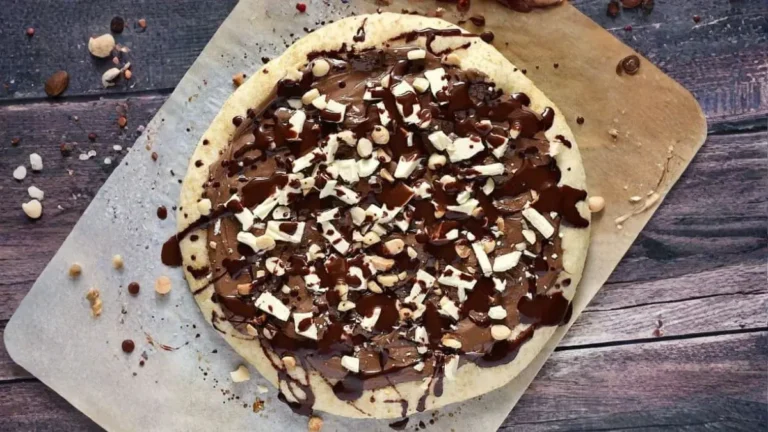

If you’ve been searching for Teresa Giudice’s pizza dough recipe, you’re about to discover the secret behind her famous old world-style pizzas. This authentic Italian recipe delivers a perfectly chewy, crispy-crusted pizza that rivals your favorite pizzeria.
Teresa’s time-tested method combines simple pantry ingredients with traditional techniques passed down through generations. Whether you’re craving a classic margherita or adventurous enough to try her viral Nutella dessert pizza, this versatile dough is your foundation for pizza perfection.
The best part? You don’t need fancy equipment-just quality ingredients and a little patience.
What Does Teresa Giudice’s Pizza Dough Taste Like?
The Teresa Giudice old world pizza dough creates a beautifully balanced crust with authentic Italian character. When baked, you’ll experience a golden-brown exterior that’s delightfully crispy and slightly charred, giving way to a tender, airy interior with those coveted air pockets.

The flavor profile is subtly nutty and wheaty from the bread flour, with a hint of richness from the olive oil that keeps the texture perfectly chewy without being dense.
Unlike commercial pizza dough, this homemade version has a clean, wholesome taste that doesn’t overpower your toppings-it’s the perfect canvas that complements everything from fresh mozzarella to sweet Nutella.
Teresa Giudice Pizza Dough Recipe Ingredients
For the Pizza Dough:
- 4 ½ cups bread flour, plus extra for shaping
- 1 ¼ teaspoons instant yeast
- 1 ½ teaspoons salt
- ¼ cup extra virgin olive oil, plus more for rising
- Warm water (approximately ½ cup, added gradually)
Classic Tomato & Mozzarella Pizza:
- ⅓ cup tomato sauce (marinara or quickie sauce)
- 2 ounces grated mozzarella cheese
- 1 teaspoon dried oregano
- 2 teaspoons extra virgin olive oil
- Grated Parmesan or Pecorino Romano
- Crushed red pepper flakes (optional)
For Nutella Dessert Pizza:
- Nutella spread
- Fresh fruit (strawberries, bananas, pineapple, or blueberries)
- Powdered sugar for dusting
- Optional: crushed cereal (Captain Crunch or Fruity Pebbles)
Essential Kitchen Utensils
- Large mixing bowl
- Measuring cups and spoons
- Plastic wrap or clean kitchen towel
- Pizza stone or baking sheet
- Rolling pin or your hands for stretching
- Pizza peel or parchment paper
- Sharp knife or pizza cutter
Preparation and Cooking Time
- Prep Time: 20 minutes
- Rise Time: 1-2 hours (refrigerated) or 30-60 minutes (room temperature)
- Cook Time: 8-12 minutes per pizza
- Total Time: Approximately 2 hours
- Servings: 2-3 individual pizzas (10-12 inches each)
- Difficulty Level: Intermediate
Step-by-Step Teresa Giudice Pizza Dough Recipe Instructions
Step 1: Combine the Dry Ingredients
In a large mixing bowl, whisk together 4 ½ cups of bread flour, 1 ¼ teaspoons instant yeast, and 1 ½ teaspoons salt. This ensures even distribution of the leavening agent throughout your dough, which is crucial for consistent texture in your Teresa Giudice old world pizza dough recipe.
Step 2: Incorporate the Wet Ingredients
Create a well in the center of your flour mixture and pour in ¼ cup of extra virgin olive oil. Begin mixing with a wooden spoon or your hands. Gradually add warm water (about ½ cup total) in small increments, mixing continuously until a shaggy dough forms. The water should be lukewarm (around 105-110°F) to activate the yeast properly.

Step 3: Knead Until Smooth
Turn the dough onto a generously floured work surface. Knead for 8-10 minutes using the heel of your hand to push the dough away, then fold it back over itself. The dough should transform from sticky and rough to smooth, elastic, and slightly tacky. If the dough feels too dry and won’t come together, add water one tablespoon at a time. If it’s excessively sticky, sprinkle in small amounts of bread flour.
Step 4: First Rise
Shape the kneaded dough into a smooth ball and lightly coat it with olive oil to prevent drying. Wrap tightly in plastic wrap and refrigerate for 1-2 hours for a slow, flavorful rise that develops complex taste. Alternatively, place the oiled dough in a covered bowl at room temperature for 30-60 minutes until doubled in size for a quicker option.
Step 5: Portion the Dough
After rising, punch down the dough to release excess air. Divide into 2-3 equal portions depending on your preferred pizza size. Roll each portion into a smooth ball. These can be used immediately or refrigerated for up to 24 hours.
Step 6: Preheat Your Oven
Set your oven to its maximum temperature, typically 475-500°F. Place a pizza stone or an upside-down baking sheet on the middle rack and let it heat for at least 30 minutes. This creates the intense bottom heat necessary for crispy, pizzeria-style crust.
Step 7: Stretch the Dough
On a floured counter, gently press one dough ball into a flat disc. Using your fingertips, work from the center outward, stretching the dough into a 10-12 inch round. Create a slightly thicker border around the edges for that characteristic raised crust. The center should be thin enough to be almost translucent when held up to light.
Step 8: Pre-Bake the Crust
Carefully transfer your stretched dough onto the preheated stone or pan (use a pizza peel or parchment paper for easy transfer). Bake for 3-5 minutes until the crust firms up and begins to show small bubbles. This crucial step prevents a soggy center.
Step 9: Add Your Toppings
Remove the partially baked crust from the oven. Spread ⅓ cup of tomato sauce in a thin, even layer, leaving a ½-inch border for the crust. Sprinkle grated mozzarella, add fresh mozzarella pieces if desired, dust with oregano, drizzle with olive oil, and add Parmesan and red pepper flakes to taste.
Step 10: Final Bake
Return your topped pizza to the oven and bake for 5-7 minutes until the cheese is melted, bubbly, and developing golden-brown spots. The crust edges should be deeply golden. Let cool for 1 minute before slicing to allow the cheese to set slightly.
Step 11: Prepare Sweet Crust
Follow steps 7-8 to stretch and pre-bake one portion of dough until firm and lightly golden.
Step 12: Spread and Top
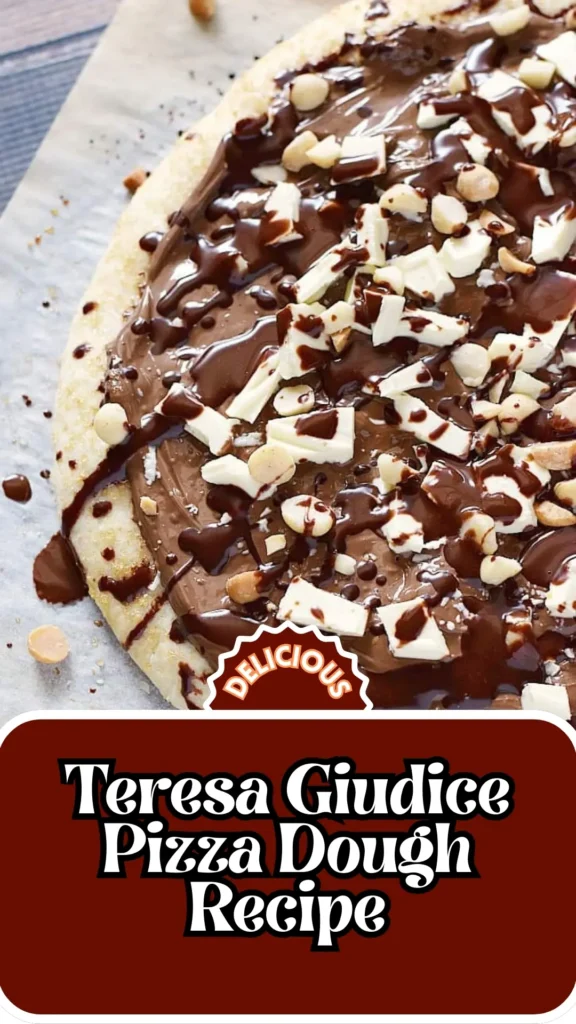
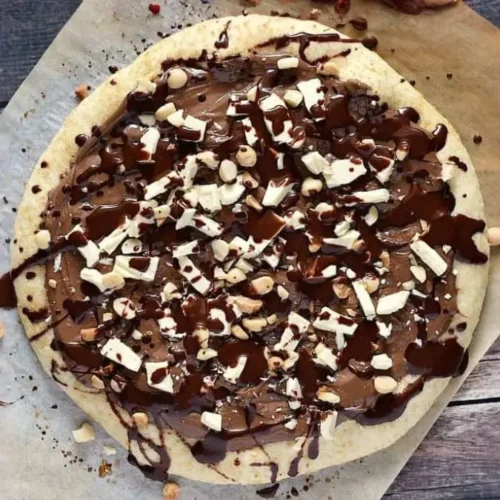
Remove from oven and immediately spread a generous layer of Nutella across the entire surface while the crust is still warm. Arrange your choice of sliced fresh fruit or sprinkle crushed cereal for added crunch and color.
Step 13: Warm Through
Return to the oven for just 2-3 minutes to gently warm the toppings and soften the Nutella without burning it. Remove, dust generously with powdered sugar, slice into squares, and serve at room temperature.

Delicious Customization and Pairing Ideas for Serving
1. White Pizza Variation
Transform your Teresa Giudice pizza dough into an elegant white pizza by skipping the tomato sauce entirely. Instead, brush the pre-baked crust with garlic-infused olive oil, then layer ricotta cheese dollops, fresh mozzarella, and grated Parmesan. Add sautéed spinach, caramelized onions, or roasted garlic cloves. Finish with a drizzle of truffle oil for restaurant-quality sophistication. This pairs beautifully with a crisp Italian Pinot Grigio or sparkling Prosecco.
2. Prosciutto and Arugula Topping
After baking your classic margherita pizza, top the hot pie with thin slices of prosciutto di Parma and a generous handful of fresh arugula tossed in lemon juice and olive oil. The heat from the pizza will slightly wilt the greens while the prosciutto’s saltiness contrasts perfectly with the peppery arugula. Add shaved Parmesan and a balsamic glaze drizzle for an upscale finish that impresses dinner guests.
3. Breakfast Pizza Innovation
Use the Teresa Giudice old world pizza dough recipe for a morning twist. Pre-bake the crust, then top with scrambled eggs, crumbled breakfast sausage, shredded cheddar cheese, and diced bell peppers. Bake until cheese melts. Finish with fresh herbs like chives or parsley. Serve alongside fresh fruit and coffee for a weekend brunch that’ll have everyone requesting seconds.
4. Mediterranean-Inspired Combination
Create a Greek-influenced pizza by topping with hummus instead of tomato sauce, then adding kalamata olives, sun-dried tomatoes, crumbled feta cheese, red onion slices, and artichoke hearts. After baking, garnish with fresh cucumber, diced tomatoes, and a dollop of tzatziki sauce. This lighter option pairs wonderfully with a Greek salad and chilled white wine.
5. Seasonal Vegetable Garden Pizza
Showcase fresh produce by topping your pizza with roasted seasonal vegetables. Try zucchini ribbons, cherry tomatoes, bell peppers, mushrooms, and red onions tossed in olive oil and herbs. The key is to roast vegetables beforehand to remove excess moisture that could make your crust soggy. Add goat cheese or fresh mozzarella for creamy richness.
6. Four Cheese Extravaganza
For cheese lovers, combine mozzarella, Gorgonzola, fontina, and Parmesan on your pizza base. The blend of mild, sharp, creamy, and nutty flavors creates incredible depth. Drizzle with honey after baking for a sweet-savory combination that’s currently trending in upscale pizzerias. Pair with a bold Italian red wine like Chianti or Barolo.
7. Dessert Pizza Bar for Parties
Set up a dessert pizza station using Teresa’s dough recipe. Pre-bake several crusts and offer various spreads (Nutella, peanut butter, cream cheese frosting, cookie butter) alongside toppings like mini marshmallows, chocolate chips, crushed cookies, fresh berries, banana slices, and various cereals. Guests can customize their own sweet pizzas, making it an interactive dessert experience perfect for birthday parties or casual gatherings.
Expert Tips for Perfect Teresa Giudice Pizza Dough
1. Master the Water Temperature
The most critical factor in yeast activation is water temperature. For Teresa Giudice pizza dough, aim for 105-110°F-warm to the touch but not hot. Water that’s too cold won’t activate the yeast properly, resulting in dense dough that doesn’t rise. Water above 120°F will kill the yeast entirely. If you don’t have a thermometer, test the water on your wrist; it should feel pleasantly warm, similar to baby bath water. This simple attention to temperature makes the difference between amateur and professional results.
2. Don’t Skip the Kneading Process
Kneading develops gluten strands that give pizza dough its characteristic chewiness and structure. Those full 8-10 minutes of kneading aren’t arbitrary-they’re essential for creating the protein network that traps gas bubbles from the yeast. You’ll know your dough is properly kneaded when it’s smooth, elastic, and springs back when poked. The windowpane test works perfectly: stretch a small piece of dough between your fingers; if it forms a thin, translucent membrane without tearing, you’ve kneaded enough.
3. Use Bread Flour, Not All-Purpose
The Teresa Giudice old world pizza dough recipe specifically calls for bread flour because its higher protein content (12-14%) creates stronger gluten development compared to all-purpose flour (10-12%). This results in a chewier, more authentic Italian-style crust with better structure that can support generous toppings without becoming soggy or collapsing. While you can substitute all-purpose flour in a pinch, your crust will be noticeably softer and less authentic.
4. The Cold Rise Develops Superior Flavor
While room temperature rising is faster, refrigerating your dough for 1-2 hours (or up to 3 days) allows for slow fermentation that develops complex, slightly tangy flavors reminiscent of sourdough. This extended rise also makes the dough easier to stretch and more forgiving to work with. Professional pizzerias often cold-ferment dough for 24-72 hours. If you’re planning ahead, make your dough a day or two in advance for noticeably better taste and texture.
5. Achieve the Perfect Stretch
Never use a rolling pin on pizza dough-it compresses the air pockets you’ve worked so hard to develop. Instead, let gravity do the work. Hold the dough disc by its edges and rotate it, allowing the center to stretch naturally. Or place the dough on your knuckles and gently stretch by moving your hands apart in a circular motion. The goal is preserving those air bubbles while creating an even thickness. If the dough keeps shrinking back, let it rest for 5-10 minutes; this relaxes the gluten and makes stretching easier.
6. The Pre-Bake Technique is Essential
Teresa’s method of par-baking the crust before adding toppings is the secret to avoiding soggy-bottomed pizza at home. Since home ovens can’t reach the 800°F+ temperatures of commercial pizza ovens, this two-stage baking process ensures the bottom crust gets crispy while preventing wet toppings from steaming the dough. That initial 3-5 minute bake firms up the structure, creating a barrier that moisture can’t penetrate. This professional technique elevates home pizza to restaurant quality.
Storage and Reheating Guidance
Store unbaked pizza dough wrapped tightly in plastic wrap and refrigerated for up to 3 days, or freeze for up to 3 months. Thaw frozen dough overnight in the refrigerator before using. Baked pizza keeps for 3-4 days refrigerated in an airtight container. Reheat slices in a preheated 375°F oven for 8-10 minutes or in a covered skillet over medium heat for crispier results than microwaving.
Teresa Giudice Pizza Dough Recipe
Ingredients
- 4 ½ cups bread flour plus extra for shaping
- 1 ¼ teaspoons instant yeast
- 1 ½ teaspoons salt
- ¼ cup extra virgin olive oil plus more for rising
- Warm water approximately ½ cup, added gradually
- ⅓ cup tomato sauce marinara or quickie sauce
- 2 ounces grated mozzarella cheese
- 1 teaspoon dried oregano
- 2 teaspoons extra virgin olive oil
- Grated Parmesan or Pecorino Romano
- Crushed red pepper flakes optional
Instructions
- In a large mixing bowl, whisk together 4 ½ cups of bread flour, 1 ¼ teaspoons instant yeast, and 1 ½ teaspoons salt. This ensures even distribution of the leavening agent throughout your dough, which is crucial for consistent texture in your Teresa Giudice old world pizza dough recipe.
- Create a well in the center of your flour mixture and pour in ¼ cup of extra virgin olive oil. Begin mixing with a wooden spoon or your hands. Gradually add warm water (about ½ cup total) in small increments, mixing continuously until a shaggy dough forms. The water should be lukewarm (around 105-110°F) to activate the yeast properly.
- Turn the dough onto a generously floured work surface. Knead for 8-10 minutes using the heel of your hand to push the dough away, then fold it back over itself. The dough should transform from sticky and rough to smooth, elastic, and slightly tacky. If the dough feels too dry and won’t come together, add water one tablespoon at a time. If it’s excessively sticky, sprinkle in small amounts of bread flour.
- Shape the kneaded dough into a smooth ball and lightly coat it with olive oil to prevent drying. Wrap tightly in plastic wrap and refrigerate for 1-2 hours for a slow, flavorful rise that develops complex taste. Alternatively, place the oiled dough in a covered bowl at room temperature for 30-60 minutes until doubled in size for a quicker option.
- After rising, punch down the dough to release excess air. Divide into 2-3 equal portions depending on your preferred pizza size. Roll each portion into a smooth ball. These can be used immediately or refrigerated for up to 24 hours.
- Set your oven to its maximum temperature, typically 475-500°F. Place a pizza stone or an upside-down baking sheet on the middle rack and let it heat for at least 30 minutes. This creates the intense bottom heat necessary for crispy, pizzeria-style crust.
- On a floured counter, gently press one dough ball into a flat disc. Using your fingertips, work from the center outward, stretching the dough into a 10-12 inch round. Create a slightly thicker border around the edges for that characteristic raised crust. The center should be thin enough to be almost translucent when held up to light.
- Carefully transfer your stretched dough onto the preheated stone or pan (use a pizza peel or parchment paper for easy transfer). Bake for 3-5 minutes until the crust firms up and begins to show small bubbles. This crucial step prevents a soggy center.
- Remove the partially baked crust from the oven. Spread ⅓ cup of tomato sauce in a thin, even layer, leaving a ½-inch border for the crust. Sprinkle grated mozzarella, add fresh mozzarella pieces if desired, dust with oregano, drizzle with olive oil, and add Parmesan and red pepper flakes to taste.
- Return your topped pizza to the oven and bake for 5-7 minutes until the cheese is melted, bubbly, and developing golden-brown spots. The crust edges should be deeply golden. Let cool for 1 minute before slicing to allow the cheese to set slightly.
- Follow steps 7-8 to stretch and pre-bake one portion of dough until firm and lightly golden.
- Remove from oven and immediately spread a generous layer of Nutella across the entire surface while the crust is still warm. Arrange your choice of sliced fresh fruit or sprinkle crushed cereal for added crunch and color.
- Return to the oven for just 2-3 minutes to gently warm the toppings and soften the Nutella without burning it. Remove, dust generously with powdered sugar, slice into squares, and serve at room temperature.
Video
Notes
Common Questions About Teresa Giudice Pizza Dough Recipe
What makes Teresa Giudice’s pizza dough different from regular pizza dough recipes?
The Teresa Giudice old world pizza dough recipe stands out because of its traditional Italian approach that emphasizes simplicity and technique over complicated ingredients. Unlike many modern recipes that include sugar, honey, or multiple types of flour, Teresa’s version sticks to authentic old world fundamentals: high-quality bread flour, olive oil, yeast, salt, and water.
Can I make Teresa Giudice pizza dough without a stand mixer?
Absolutely! In fact, the Teresa Giudice pizza dough recipe is designed to be made entirely by hand, which is how it was traditionally prepared in Italian households. Making dough by hand actually gives you better control over texture and allows you to feel when the dough has reached the proper consistency. The hand-kneading process takes 8-10 minutes of rhythmic pushing, folding, and turning, which is excellent exercise and quite therapeutic.
How do I know if my yeast is still active and working?
Before starting your Teresa Giudice old world pizza dough recipe, you can test your instant yeast’s viability, though it’s typically not necessary with instant yeast as it would be with active dry yeast. If you want to be certain, especially if your yeast is approaching its expiration date, dissolve a pinch of yeast in ¼ cup of warm water (105-110°F) with a tiny bit of flour. Let it sit for 5-10 minutes. If the mixture becomes foamy and bubbly, your yeast is alive and ready to use. If nothing happens, your yeast is dead and you’ll need fresh yeast for successful dough.
Why is my pizza dough too sticky or too dry?
Dough consistency problems are common when making Teresa Giudice pizza dough because flour’s ability to absorb water varies based on humidity, flour brand, and even how you measure. If your dough is too sticky and clinging to everything, it means there’s too much water relative to flour. Sprinkle small amounts of bread flour (a tablespoon at a time) onto your work surface and knead it in until the dough becomes smooth and just slightly tacky rather than wet.
Can I use all-purpose flour instead of bread flour for this recipe?
While bread flour is strongly recommended for authentic Teresa Giudice old world pizza dough, you can substitute all-purpose flour if necessary, though your results will differ noticeably. Bread flour contains 12-14% protein compared to all-purpose flour’s 10-12%, and this higher protein content creates more gluten development, which translates to a chewier, more structured crust that can support toppings better.
How long can I store pizza dough, and can I freeze it?
Properly stored Teresa Giudice pizza dough is incredibly versatile for meal planning. In the refrigerator, tightly wrapped dough lasts 3-5 days and actually improves in flavor as it undergoes slow fermentation, developing more complex, slightly tangy notes. For longer storage, pizza dough freezes beautifully for up to 3 months. After the initial rise, divide dough into individual pizza-sized portions, coat each ball lightly with olive oil, wrap tightly in plastic wrap, then place in a freezer bag with the air pressed out.
This Teresa Giudice pizza dough recipe brings authentic old world Italian flavor and technique right into your home kitchen. With simple ingredients, time-honored methods, and these professional tips, you’ll create pizzeria-quality pies that impress family and friends alike.
Whether you’re topping your pizza with classic tomato and mozzarella or getting creative with Nutella and fruit, this versatile dough foundation delivers consistent, delicious results every time. Now it’s time to flour your countertop, fire up that oven, and experience the satisfaction of homemade pizza perfection!
You can also follow us on Pinterest, and YouTube for more delicious updates and kitchen inspiration. Your feedback and support mean the world to us!
Looks Delicious
Thanks