
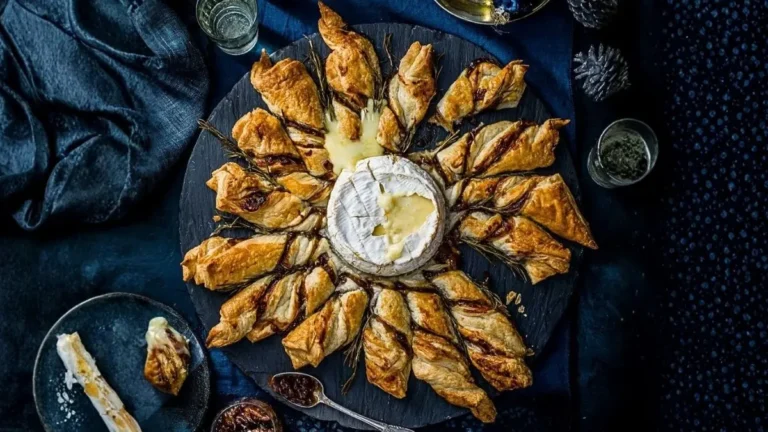

There’s something magical about creating flaky, buttery pastry from scratch, and Paul Hollywood’s rough puff pastry recipe has become a go-to method for home bakers everywhere.
This simplified version of classic puff pastry delivers impressive results without the intimidating technique of traditional lamination.
Whether you’re preparing for a weekend baking project or want to elevate your homemade sausage rolls and tarts, this rough puff pastry recipe Paul Hollywood style offers the perfect balance of ease and elegance.
With just a handful of ingredients and some clever folding techniques, you’ll achieve those coveted flaky layers that make pastry irresistible.
What Does Paul Hollywood’s Rough Puff Pastry Taste Like?
This paul hollywood rough puff recipe creates pastry with a rich, buttery flavor and delightfully crisp texture. Each bite reveals delicate, flaky layers that shatter beautifully when you cut into them.
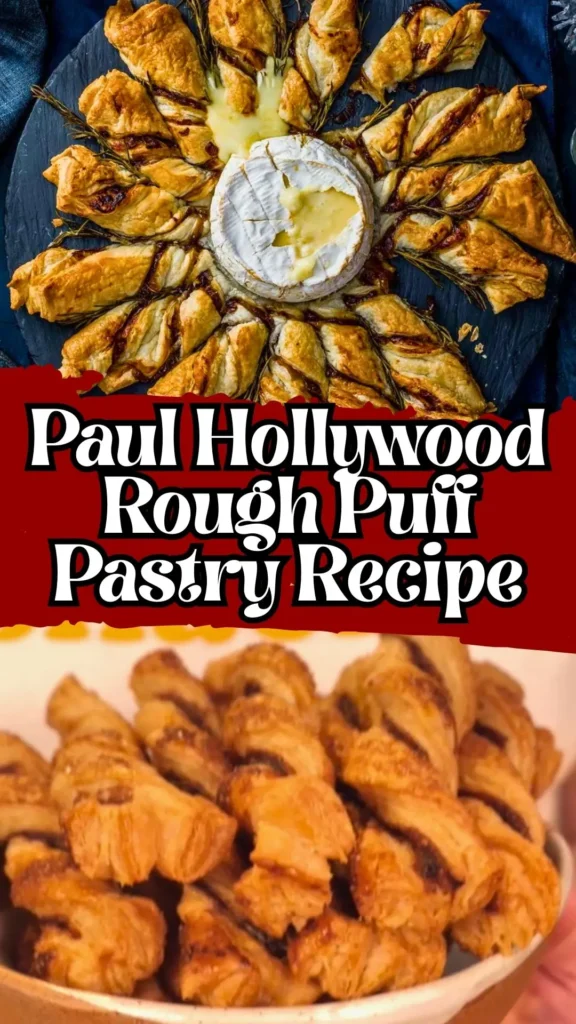
The taste is subtly savory with a hint of salt that balances the butter’s richness, making it incredibly versatile for both sweet and savory applications.
Unlike store-bought alternatives, homemade rough puff has a fresher, more authentic flavor with a satisfying crunch that melts on your tongue.
The frozen butter technique creates steam pockets during baking, resulting in that signature honeycomb structure Paul Hollywood demonstrates on the Great British Bake Off.
Paul Hollywood Rough Puff Pastry Recipe Ingredients
Ingredients:
- 300g (10½oz) plain flour
- Pinch of salt
- 50g (1¾oz) butter, chilled and cut into cubes
- 120g (4½oz) butter, frozen
- 4-6 tablespoons cold water
Kitchen Utensils:
- Large mixing bowl
- Rolling pin
- Box grater
- Cling film (plastic wrap)
- Measuring scales
- Lightly floured work surface
- Sharp knife
- Pastry brush (optional)
Preparation and Cooking Time
Preparation Time: 20 minutes
Resting Time: 30 minutes
Total Time: 50 minutes
Servings: Makes approximately 500g pastry (enough for 8-10 portions depending on application)
Difficulty Level: Intermediate
Paul Hollywood Rough Puff Pastry Recipe Instructions
Step 1: Prepare the Base Dough
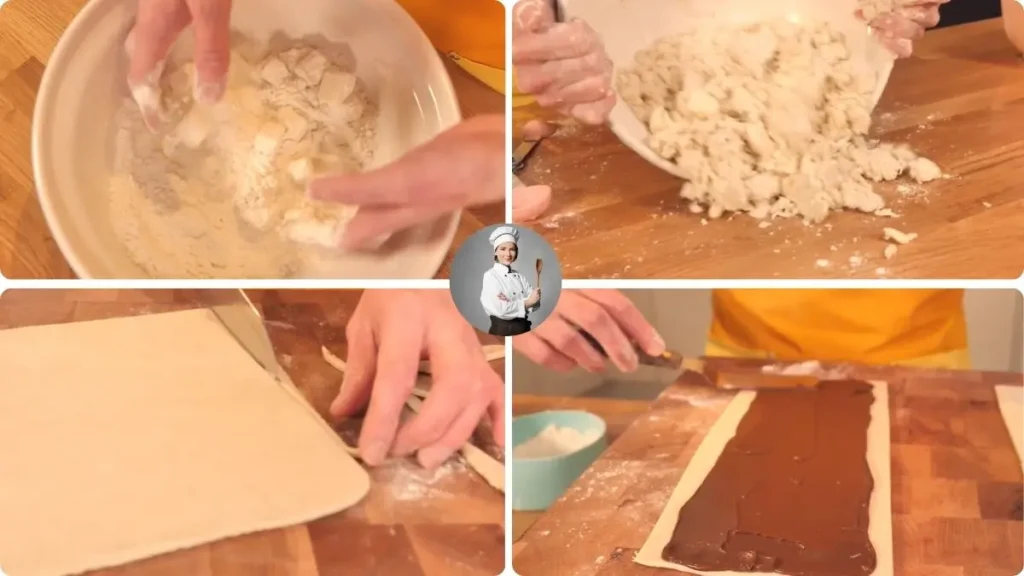
Combine the plain flour and salt in a large mixing bowl. Add the chilled, cubed butter and rub it into the flour using your fingertips, working quickly to prevent the butter from melting. Continue until the mixture resembles coarse breadcrumbs with no large butter chunks visible.
Step 2: Form the Dough
Gradually add cold water, one tablespoon at a time, mixing with a knife or your hands. Add just enough water (typically 4-6 tablespoons) until the dough comes together. The dough should feel slightly rough and not overly smooth-this is characteristic of the paul hollywood rough puff pastry method.
Step 3: Roll Out the Rectangle
Transfer the dough to a lightly floured work surface. Roll it out into a rectangle approximately 20cm x 40cm (8in x 16in), keeping the edges as straight as possible. The thickness should be about 1cm.
Step 4: Add the First Layer of Frozen Butter
Using a box grater, grate half of the frozen butter over the bottom two-thirds of your dough rectangle. The frozen butter is key to creating those flaky layers, as it stays solid during the folding process.
Step 5: Perform the First Fold
Fold the top third of the dough (without butter) down over the middle third. Then fold the bottom third (with butter) up and over, as if you’re folding a business letter. You should now have three layers.
Step 6: Complete the Second Turn
Rotate the folded dough 90 degrees clockwise so the folded edge is on your left (like a book spine). Roll it out again into a rectangle of similar dimensions. Grate the remaining frozen butter over the bottom two-thirds and repeat the letter-fold technique.
Step 7: Rest the Pastry
Wrap the folded dough tightly in cling film and refrigerate for at least 30 minutes. This resting period allows the gluten to relax and the butter to firm up, making it easier to work with and ensuring better lamination.
Customization and Pairing Ideas for Serving
1. Classic Sausage Rolls: Roll out the recipe for rough puff pastry paul hollywood style to 3mm thickness, wrap around seasoned sausage meat, and bake until golden. Perfect for parties, picnics, or game day snacks.
2. Fruit Galettes: Create rustic free-form tarts by rolling the pastry into circles, piling seasonal fruit in the center, and folding the edges over. Brush with egg wash and sprinkle with demerara sugar for a stunning dessert that showcases stone fruits, apples, or berries.
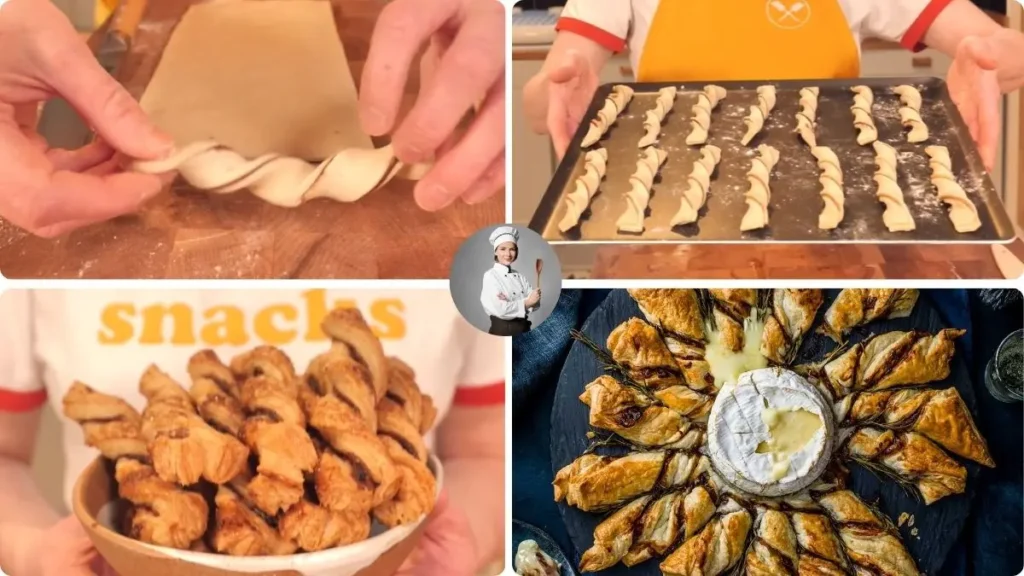
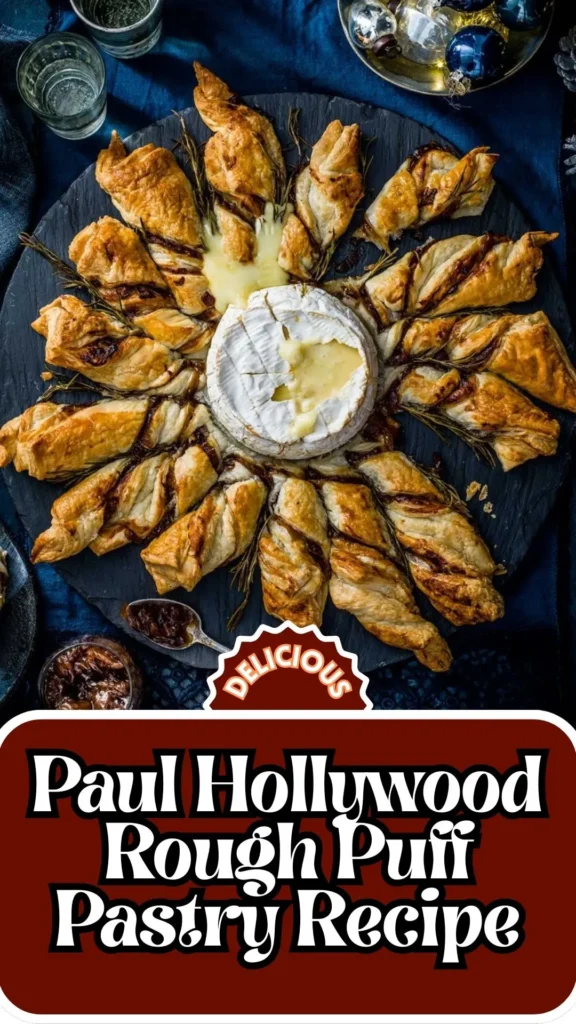
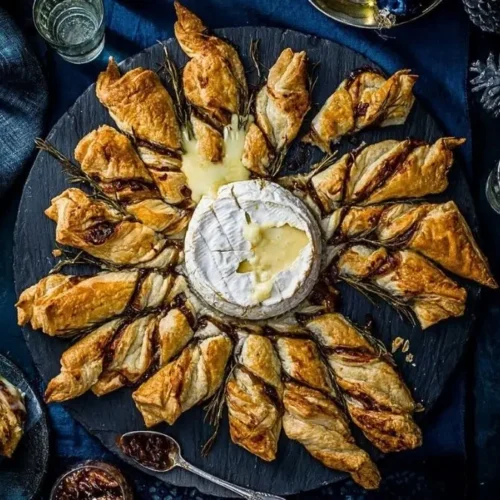
3. Cheese and Herb Twists: Roll out the pastry, spread with Dijon mustard, sprinkle with grated cheddar and fresh thyme, cut into strips, twist, and bake. These elegant appetizers pair beautifully with wine or pre-dinner cocktails.
4. Vol-au-Vents: Cut circles using a cutter, score an inner circle halfway through, and bake to create hollow pastry cases. Fill with creamy chicken and mushroom, seafood in white wine sauce, or caramelized onion and goat cheese for sophisticated starters.
5. Sweet Palmiers: Roll the pastry in granulated or cinnamon sugar, fold both ends toward the center, slice, and bake into elegant butterfly-shaped cookies. Serve alongside afternoon tea or coffee for a French-inspired treat.
6. Beef Wellington Wrapping: Use this rough puff as an alternative to traditional puff pastry when wrapping beef tenderloin with mushroom duxelles. The slightly rustic texture complements the hearty filling while still providing impressive flakiness.
7. Jam and Cream Turnovers: Cut squares, add a spoonful of quality jam and a dollop of clotted cream, fold into triangles, seal the edges, and bake. Dust with icing sugar for a quintessentially British teatime pastry.

Expert Tips for Perfect Rough Puff Pastry
1. Keep Everything Cold: Temperature control is crucial when making the paul hollywood rough puff recipe. Work in a cool kitchen, use ice-cold water, and if your hands are warm, run them under cold water periodically. Warm butter will blend into the dough rather than creating distinct layers, resulting in a dense pastry instead of flaky perfection.
2. Freeze Your Butter Solid: The frozen butter technique is what sets this recipe apart from traditional methods. Place your 120g butter portion in the freezer at least 2 hours before starting, or even overnight. Rock-hard frozen butter grates into perfect shards that maintain their structure during folding, creating optimal steam pockets during baking.
3. Use a Light Touch When Rolling: Apply even, gentle pressure when rolling out your dough rectangle. Pressing too hard can push the butter into the flour rather than keeping the layers distinct. Roll from the center outward, rotating the dough occasionally to maintain an even rectangle shape and consistent thickness throughout.
4. Don’t Skip the Resting Time: That 30-minute refrigeration period isn’t optional-it’s essential for gluten relaxation and butter re-solidification. If you’re working in a warm environment or notice the butter becoming soft during the process, pop the dough back in the fridge for 10-15 minutes between turns. Rushing this step leads to shrinkage during baking.
5. Maintain Straight Edges: While it’s called “rough” puff, neat edges help create uniform layers. Use a sharp knife or bench scraper to trim away any uneven edges before folding. These trimmings can be gathered, gently pressed together, and used for smaller projects rather than being wasted.
6. Flour Sparingly: Use just enough flour on your work surface to prevent sticking, but avoid over-flouring, which can dry out the pastry and create tough layers. Brush away excess flour between folds using a pastry brush or clean kitchen towel to ensure the layers adhere properly to each other.
Storage and Reheating Guidance
Store uncooked paul hollywood rough puff pastry wrapped tightly in cling film in the refrigerator for up to 3 days, or freeze for up to 3 months. Thaw frozen pastry overnight in the fridge before using. Baked pastry items are best enjoyed fresh but can be crisped up in a 180°C oven for 5-7 minutes.
Common Queries and FAQs
Q: What’s the difference between rough puff and traditional puff pastry?
A: Rough puff pastry is a simplified version that incorporates butter in just two additions using grating and folding, while traditional puff pastry requires multiple turns with a butter block and more precise lamination. Rough puff achieves about 80% of the flakiness with considerably less effort and time.
Q: Can I make this rough puff pastry without a grater?
A: While grating frozen butter is Paul Hollywood’s signature technique for this recipe, you can cut very cold butter into small cubes and dot them over the dough instead. However, grating provides more even distribution and better results with less risk of butter chunks breaking through the layers.
Q: Why is my rough puff pastry tough instead of flaky?
A: Tough pastry usually results from overworking the dough, using warm ingredients, or adding too much water. Handle the dough minimally, keep everything cold, and add water gradually until the dough just comes together. Overworked gluten creates a tough, bread-like texture.
Q: Can I use this recipe for croissants?
A: While this rough puff pastry recipe paul hollywood creates beautiful flaky layers, croissants require yeasted laminated dough with more butter and specific shaping techniques. This pastry works brilliantly for tarts, pies, sausage rolls, and turnovers but won’t give you the characteristic croissant texture and rise.
Q: How do I know when my rough puff pastry is baked properly?
A: Properly baked rough puff should be deep golden brown all over-not pale blonde. The layers should be visibly separated, crisp to the touch, and sound hollow when tapped on the bottom. Under-baked pastry will be doughy in the center and lack that essential crunch.
Q: Can I add other fats like lard or shortening?
A: Butter is essential for the flavor and flakiness in this recipe. While you could experiment with other fats, they won’t provide the same taste or the steam necessary for proper rise. Butter’s water content creates steam during baking, which is what separates the layers.
Paul Hollywood Rough Puff Pastry Recipe
Ingredients
- 300 g 10½oz plain flour
- Pinch of salt
- 50 g 1¾oz butter, chilled and cut into cubes
- 120 g 4½oz butter, frozen
- 4-6 tablespoons cold water
Instructions
- Combine the plain flour and salt in a large mixing bowl. Add the chilled, cubed butter and rub it into the flour using your fingertips, working quickly to prevent the butter from melting. Continue until the mixture resembles coarse breadcrumbs with no large butter chunks visible.
- Gradually add cold water, one tablespoon at a time, mixing with a knife or your hands. Add just enough water (typically 4-6 tablespoons) until the dough comes together. The dough should feel slightly rough and not overly smooth-this is characteristic of the paul hollywood rough puff pastry method.
- Transfer the dough to a lightly floured work surface. Roll it out into a rectangle approximately 20cm x 40cm (8in x 16in), keeping the edges as straight as possible. The thickness should be about 1cm.
- Using a box grater, grate half of the frozen butter over the bottom two-thirds of your dough rectangle. The frozen butter is key to creating those flaky layers, as it stays solid during the folding process.
- Fold the top third of the dough (without butter) down over the middle third. Then fold the bottom third (with butter) up and over, as if you’re folding a business letter. You should now have three layers.
- Rotate the folded dough 90 degrees clockwise so the folded edge is on your left (like a book spine). Roll it out again into a rectangle of similar dimensions. Grate the remaining frozen butter over the bottom two-thirds and repeat the letter-fold technique.
- Wrap the folded dough tightly in cling film and refrigerate for at least 30 minutes. This resting period allows the gluten to relax and the butter to firm up, making it easier to work with and ensuring better lamination.
Video
Notes
Mastering paul hollywood’s rough puff pastry opens up a world of baking possibilities, from elegant tarts to comforting sausage rolls. This approachable recipe proves that impressive, bakery-quality pastry is absolutely achievable in your home kitchen without professional equipment or years of training.
The beauty of this method lies in its forgiving nature-while technique matters, small imperfections won’t ruin your results. Give yourself grace during your first attempt, trust the process, and remember that even Paul Hollywood’s bakers on the Great British Bake Off needed practice to perfect their pastry skills.
So roll up your sleeves, gather your ingredients, and experience the satisfaction of creating those beautiful, buttery layers from scratch!
You can also follow us on Pinterest, and YouTube for more delicious updates and kitchen inspiration. Your feedback and support mean the world to us!
Thanks for the recipe
wc